




Snappi Hub: Rethinking Flexible Work, Trust and Performance
What does it take to make flexible work actually work?
Flexible work gives people more freedom over where and how they work. But flexibility alone isn’t enough. Building trust, staying connected and creating the conditions for people to perform at their best require a more thoughtful approach.
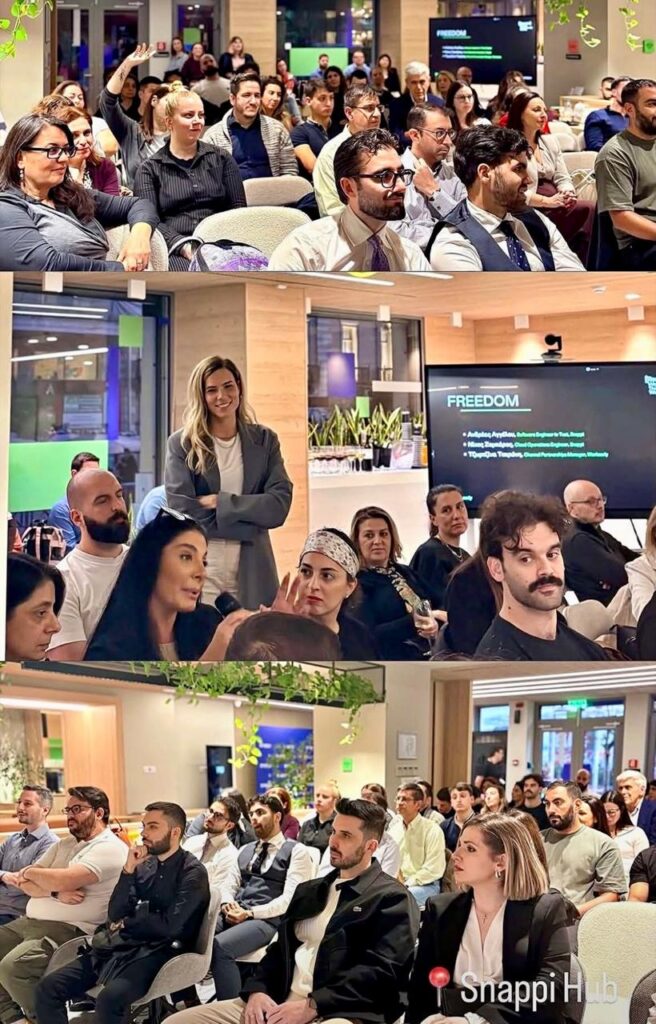
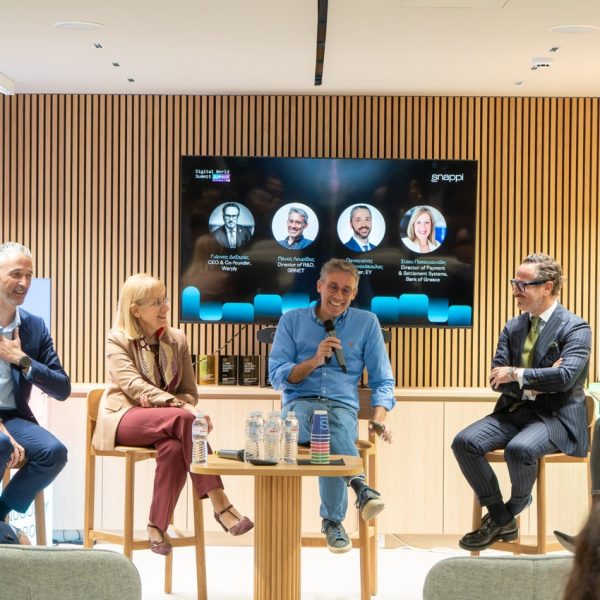
These questions were at the heart of [Remote] Work That Actually Works: The Flexible Work Equation, where professionals from HR, law and the labour market came together at the Snappi Hub, our community and remote-working space in the heart of Athens, to explore what effective flexible work looks like in practice.
For Snappi, the conversation reflects something we believe in: how we work matters more than where we work. Our hybrid approach is built around the idea that flexibility and connection can complement each other, helping people do their best work while staying part of a team.
Here are three perspectives from the discussion that offer food for thought for anyone rethinking the way their organisation works.
Flexibility works best when it’s built on trust
Maria Papadaki, Head of HR at Snappi, explored the relationship between flexibility, trust and performance.
Giving people the freedom to work in different ways is an important starting point. But making flexibility work in practice also means empowering people to take ownership of their work while maintaining clear expectations and accountability.
This shifts the focus from where people are working to what they’re achieving. Rather than treating presence as a measure of productivity, organisations can create an environment where people have the autonomy to work effectively and the clarity to understand what’s expected of them.
At Snappi, this is central to how we think about hybrid work. Flexibility isn’t simply about choosing where to work. It’s about creating the conditions for people to take responsibility, collaborate and perform at their best.
Flexibility needs clarity, not just good intentions
Evelina Pappa, Lawyer and Compliance & Corporate Governance Senior Manager at LAMDA Development Group, brought a legal perspective to the discussion, highlighting the framework and practical considerations surrounding remote work.
Flexible working arrangements need to work for both employees and employers. That means understanding the rules, responsibilities and obligations that come with remote work, rather than treating flexibility as an informal agreement without clear boundaries.
For organisations, the takeaway is straightforward: a successful approach to flexible work needs both freedom and structure. Clear policies and an understanding of the applicable legal requirements help create an environment where flexibility can work sustainably.
The future of work must respond to changing expectations
Theofilos Vasileiadis, Founder of Kariera Group, offered a broader perspective on labour-market trends and evolving expectations around how and where people work.
As expectations change, organisations need to keep questioning whether their ways of working meet the needs of their people and their business.
The challenge isn’t to find one universal model that works for everyone. It’s to understand what different people, roles and teams need, and to create working environments that support those needs while keeping performance in focus.
That also means recognising the value of coming together. Remote work can offer autonomy and flexibility, while time spent together can create opportunities for collaboration, learning and stronger relationships. The goal is to make both work well, rather than treating them as competing choices.
Our thanks to Tasos Tsoumanis, Chief People Officer at Kotsovolos, who moderated the discussion and helped bring these different perspectives together.
So, what makes flexible work work?
The conversation reinforced an important point: there is no single formula for effective flexible work. But there are a few principles worth keeping in mind.
- Trust people to do their best work. Give them autonomy while setting clear expectations and shared goals.
- Create clarity around responsibilities. Flexibility works better when people understand the rules and what success looks like.
- Make connection intentional. Give teams meaningful opportunities to collaborate, exchange ideas and build relationships.
- Focus on outcomes, not appearances. Being present isn’t the same as being productive.
At Snappi, these principles shape how we approach hybrid work. We believe people should have the flexibility to work effectively, alongside opportunities to connect, collaborate and learn from one another.
Ultimately, the question isn’t whether remote or office work is better. It’s how we create a working environment where people have the trust, clarity and connections they need to thrive.
This event was co-organised with Workearly, a learning and career development community focused on helping people build skills and advance their careers.
Visit the Snappi Hub
Discover Snappi Hub, Snappi’s space in the heart of Athens, where work, creativity and community and financial confidence come together.


Lorem ipsum dolor sit amet, consectetur adipiscing elit. Ut elit tellus, luctus nec ullamcorper mattis, pulvinar dapibus leo.