


#CyberOctober: AI, Deepfakes, Vishing και Voice Cloning

Real voice. Fake person? Stop. Check. Snap Secure.

Cyber Villains: The Voice Cloner and The Deepfake Impostor

AI is making impersonation more convincing than ever. A familiar voice, a realistic video call or a polished message is no longer enough to prove who’s really behind it.

Criminals can use publicly available audio, video and personal information to imitate people and create believable requests. And with AI, those impersonations can sound and look surprisingly real.

This week in Cyber October, we’re focusing on vishing, voice cloning, deepfakes and AI-assisted impersonation. The behaviour we want to keep in mind is simple: unusual requests still need verification, even when the person sounds or looks familiar.

What we want everyone to remember

  • Vishing is social engineering carried out through phone or voice calls.
  • Voice cloning can imitate a familiar person using relatively small samples of audio.
  • Deepfake video and AI-generated content can make impersonation much more believable.
  • Attackers often combine AI with urgency, authority or secrecy to pressure people into acting quickly.
  • A familiar voice or face should never override an organization’s normal approval and verification processes.
  • Always verify sensitive or unusual requests through a separate trusted channel.
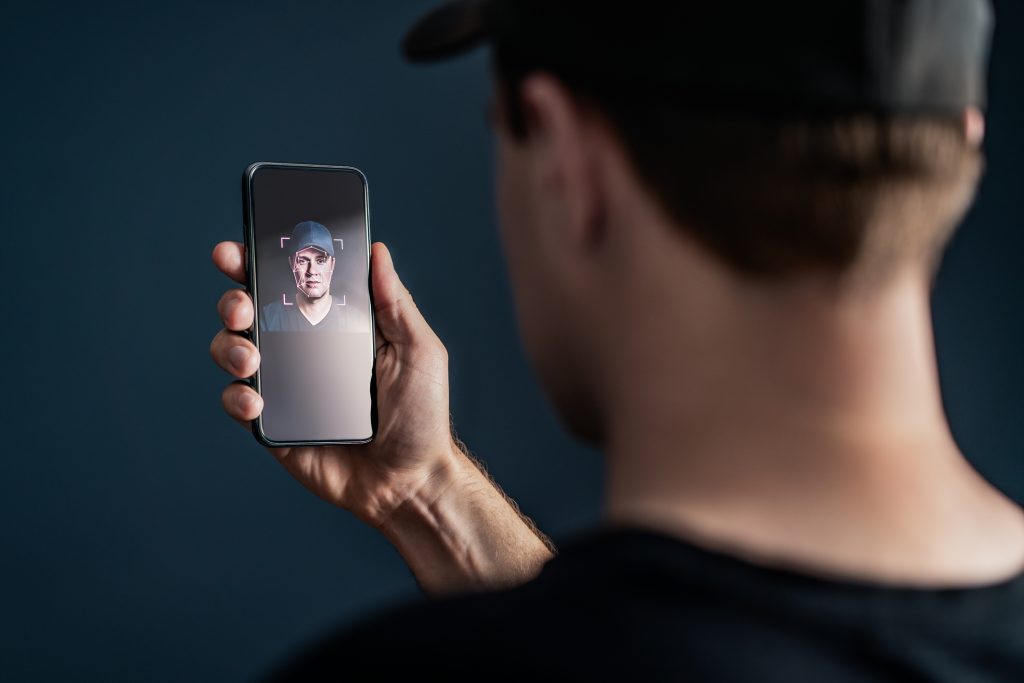
 

Real or AI?

Snappi Cyber Challenge


Imagine you receive an urgent call from someone

who sounds exactly like a familiar senior executive.

They tell you they’re travelling, can’t access the normal systems

and need you to send some information immediately.

They also ask you not to involve anyone else

because the matter is confidential.

It sounds convincing. The voice is familiar. The request seems urgent.


What should you do?


Pause. Don’t rely on the voice as proof of identity. Follow the normal process and verify the request independently.

A familiar voice or face can be convincing, but it shouldn’t replace other controls.

What to do


  1. Stop when a request feels unusual, off, urgent, confidential or outside a normal process.
  2. Check the request against an established approval and escalation process if you can.
  3. Verify the person’s identity through a separate, trusted channel.
  4. Don’t let apparent seniority override controls.
  5. Report suspected impersonation or social engineering.

Do

  • Use known contact details to verify unusual requests.
  • Follow approval controls, even when a request sounds urgent.
  • Be cautious when a caller discourages verification or asks you to keep things secret.
  • Report suspected voice or video impersonation.

Don’t

  • Don’t treat a familiar voice as authentication.
  • Don’t bypass a control because someone appears to be senior.
  • Don’t share credentials, OTPs or sensitive information during an unexpected call.
  • Don’t use contact details supplied by a suspicious caller to verify their identity.

Remember: Stop. Check. Snap Secure.

AI can make a fake voice, face or message feel very real. That’s exactly why verification and approval processes matter.

If something feels unusual, pause and verify it through a trusted channel. Taking an extra moment to check could make all the difference.

If you found this interesting, take this quick quiz an test what you learned. 

Read also

Lorem ipsum dolor sit amet, consectetur adipiscing elit. Ut elit tellus, luctus nec ullamcorper mattis, pulvinar dapibus leo.

#CyberOctober: AI, Deepfakes, Vishing και Voice Cloning

Real voice. Fake person? Stop. Check. Snap Secure.

Cyber Villains: The Voice Cloner and The Deepfake Impostor

AI is making impersonation more convincing than ever. A familiar voice, a realistic video call or a polished message is no longer enough to prove who’s really behind it.

Criminals can use publicly available audio, video and personal information to imitate people and create believable requests. And with AI, those impersonations can sound and look surprisingly real.

This week in Cyber October, we’re focusing on vishing, voice cloning, deepfakes and AI-assisted impersonation. The behaviour we want to keep in mind is simple: unusual requests still need verification, even when the person sounds or looks familiar.

What we want everyone to remember

  • Vishing is social engineering carried out through phone or voice calls.
  • Voice cloning can imitate a familiar person using relatively small samples of audio.
  • Deepfake video and AI-generated content can make impersonation much more believable.
  • Attackers often combine AI with urgency, authority or secrecy to pressure people into acting quickly.
  • A familiar voice or face should never override an organization’s normal approval and verification processes.
  • Always verify sensitive or unusual requests through a separate trusted channel.


Real or AI?

Snappi Cyber Challenge


Imagine you receive an urgent call from someone

who sounds exactly like a familiar senior executive.

They tell you they’re travelling, can’t access the normal systems

and need you to send some information immediately.

They also ask you not to involve anyone else

because the matter is confidential.

It sounds convincing. The voice is familiar. The request seems urgent.


What should you do?


Pause. Don’t rely on the voice as proof of identity. Follow the normal process and verify the request independently.

A familiar voice or face can be convincing, but it shouldn’t replace other controls.

What to do


  1. Stop when a request feels unusual, off, urgent, confidential or outside a normal process.
  2. Check the request against an established approval and escalation process if you can.
  3. Verify the person’s identity through a separate, trusted channel.
  4. Don’t let apparent seniority override controls.
  5. Report suspected impersonation or social engineering.

Do

  • Use known contact details to verify unusual requests.
  • Follow approval controls, even when a request sounds urgent.
  • Be cautious when a caller discourages verification or asks you to keep things secret.
  • Report suspected voice or video impersonation.

Don’t

  • Don’t treat a familiar voice as authentication.
  • Don’t bypass a control because someone appears to be senior.
  • Don’t share credentials, OTPs or sensitive information during an unexpected call.
  • Don’t use contact details supplied by a suspicious caller to verify their identity.

Remember: Stop. Check. Snap Secure.

AI can make a fake voice, face or message feel very real. That’s exactly why verification and approval processes matter.

If something feels unusual, pause and verify it through a trusted channel. Taking an extra moment to check could make all the difference.

If you found this interesting, take this quick quiz an test what you learned. 
Lorem ipsum dolor sit amet, consectetur adipiscing elit. Ut elit tellus, luctus nec ullamcorper mattis, pulvinar dapibus leo.


Get the Snappi app

Scan the QR code to download the app

Click to download the app

or get a download link via SMS

Get the app